Facebook
 X
 Pinterest
 Copy Link
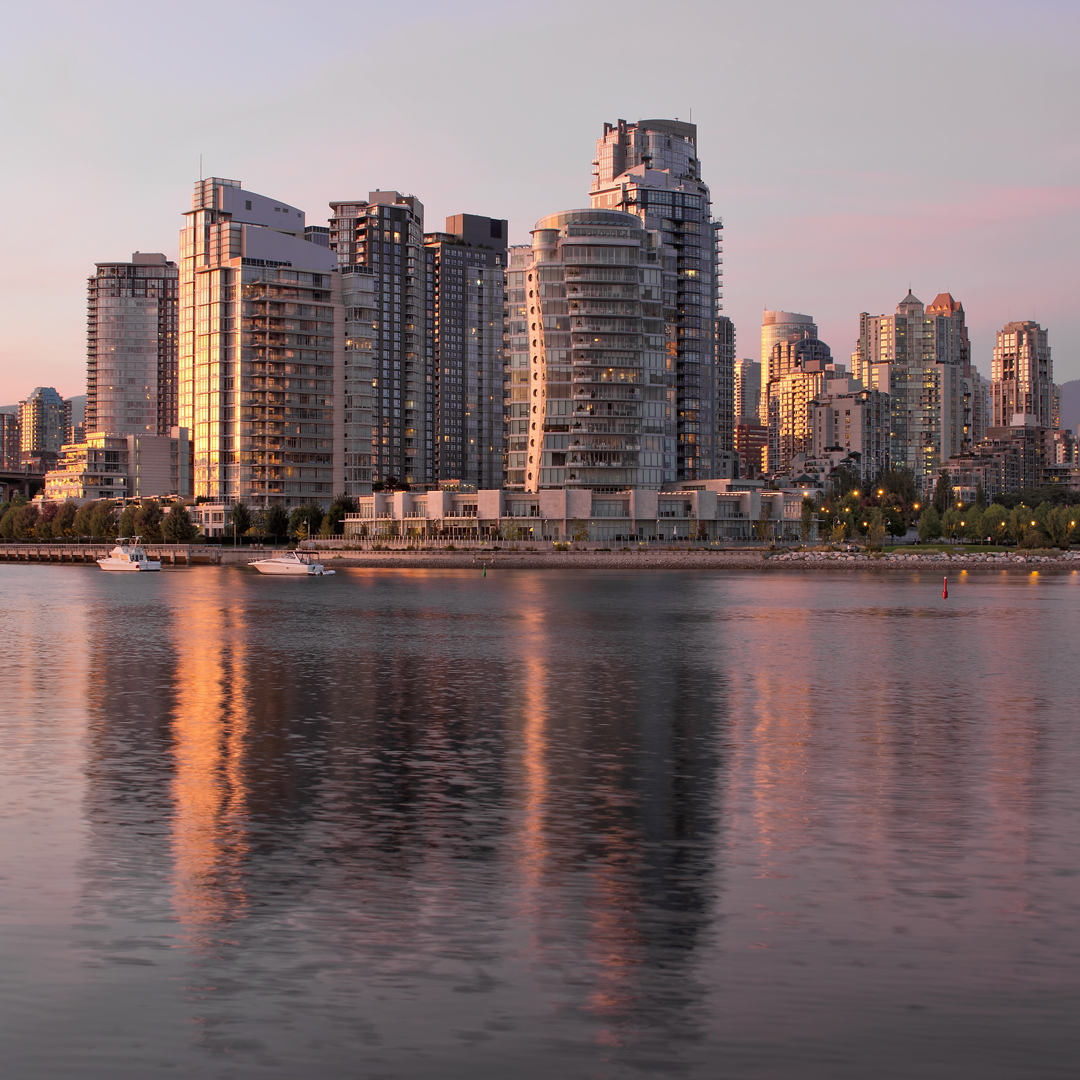
Buying a condo in Vancouver can look straightforward from the outside. You find a unit you like, compare the price with a few recent sales and write an offer.
The harder part is understanding what comes with the unit.
With a condo, you are not only buying the space inside the walls. You are also buying into a strata corporation, its finances, its bylaws, its maintenance history and its future obligations. A renovated kitchen is easy to see during a showing. A weak contingency reserve fund or a major repair being discussed in meeting minutes is much easier to miss.
That does not mean every older building or upcoming project is a reason to walk away. It means the risks and costs need to be understood before an offer becomes unconditional.
Before setting your maximum price, review the Vancouver condo closing costs that can sit outside your down payment.
If you are buying a condo in Vancouver, here is what I look at before recommending an offer strategy.
1. The Unit and the Building Are Two Different Decisions
Buyers naturally focus on the unit first: layout, light, renovations, view, outdoor space and whether the home feels right.
I look at those things too, but I separate them from the building.
A beautiful unit can be located in a strata with poor financial planning, unresolved maintenance problems or restrictions that do not work for the buyer. The opposite can also be true. A dated unit in a well-managed building may offer much better long-term value.
The question is not simply whether the condo looks good. It is whether the unit, building and price make sense together.
2. Recent Comparable Sales
The asking price is a marketing decision. Market value comes from what buyers have recently been willing to pay for comparable properties.
I usually start with sales in the same building because they can reveal how buyers value different floors, exposures, renovations, parking arrangements and views. If there are not enough useful sales in the building, I widen the search to genuinely comparable buildings nearby.
I also look at current competition. A sale from three months ago matters, but so do the condos a buyer could choose instead today.
Some of the details that can materially affect value include:
- Floor level and exposure
- Natural light and view protection
- Interior condition and quality of renovations
- Functional versus awkward layouts
- Parking and storage
- Balconies and outdoor space
- Monthly strata fees
- Building age, reputation and amenities
- Upcoming expenses or existing levies
Two units with the same bedroom count and similar square footage are not automatically equivalent.
3. Strata Meeting Minutes
Meeting minutes are one of the most useful parts of a strata-document review.
They show what the council and owners have actually been discussing: leaks, elevators, security, noise complaints, insurance, repairs, legal disputes, proposed projects and concerns raised by residents.
I am looking for patterns, not one alarming sentence taken out of context.
A single leak may have been repaired properly. Repeated leaks in the same area over several years are a different issue. A project being discussed is not the same as a project that has been approved and funded.
I also watch for subjects that disappear from later minutes without a clear resolution. Sometimes the most important question is simply, “What happened next?”
4. The Depreciation Report and Long-Term Planning
A depreciation report is intended to help the strata understand the condition and expected replacement timing of major building components.
Depending on the property, that may include:
- Roofing
- Windows and exterior walls
- Balconies
- Plumbing systems
- Elevators
- Parkade membranes
- Mechanical and electrical systems
- Common-area finishes
The report is not a guarantee that work will happen on a precise schedule or cost exactly the estimated amount. It is a planning tool.
I compare it with the meeting minutes, financial statements and work already completed. If an expensive component is approaching the end of its expected life, I want to know whether the strata has been saving for it, investigating it or postponing the conversation.
My Vancouver condo depreciation-report checklist explains how I compare the report date, 30-year funding models, reserve balance, meeting minutes and possible special-levy exposure before subject removal.
5. The Contingency Reserve Fund and Financial Statements
The contingency reserve fund is money set aside for expenses that do not occur every year.
A large balance can be reassuring, but the number does not mean much without context. A building may have a healthy-looking fund and several major projects approaching. Another building may have recently spent a significant amount because it completed necessary work.
I look at the fund alongside:
- The operating budget
- Recent deficits or surpluses
- Owner arrears
- Completed and proposed projects
- The depreciation report
- The building’s approach to funding repairs
The goal is not to find a building that will never have an expense. Every building requires maintenance. The goal is to understand how realistically the strata plans for those expenses.
6. Special Levies and Upcoming Projects
A special levy is not automatically a reason to avoid a condo.
Sometimes a levy means the building is dealing with an important project instead of ignoring it. What matters is the purpose, amount, timing, allocation to the unit and whether the approved scope appears likely to solve the underlying problem.
I want to know:
- Has the levy been approved or only discussed?
- How much is allocated to this specific unit?
- Has the current owner paid it?
- Are further phases or cost increases possible?
- What work is being completed?
- Is there professional reporting or a clear project plan?
The contract and supporting documents should clearly address who is responsible for any outstanding amount. If the wording or legal effect is uncertain, that is something to confirm with the appropriate legal professional.
7. Insurance
Strata insurance has become a major consideration in British Columbia.
I look for the building’s insurance summary, deductibles, significant claims and any concerns discussed in the minutes. A high deductible does not necessarily make the property uninsurable, but buyers need to understand how it could affect their own unit-owner policy.
Before removing an insurance-related condition, a buyer should confirm that suitable personal coverage is available and ask their insurer how the strata’s deductibles may affect them.
This is an area where the right answer should come from an insurance professional, not a guess.
8. Bylaws and Restrictions
Bylaws can change how a buyer is able to use the property.
Depending on the building, I check rules relating to:
- Pets
- Rentals and short-term accommodation
- Smoking
- Renovations
- Flooring requirements
- Age restrictions where legally permitted
- Parking and storage
- Move-in procedures and fees
- Use of balconies and common property
A restriction does not need to affect every buyer to matter. It only needs to conflict with this buyer’s plans.
If you have a large dog, expect to rent the property later or plan a substantial renovation, those questions should be investigated before the offer becomes firm.
9. Parking, Storage and What Is Actually Included
Parking and storage are often advertised casually, but the legal arrangement matters.
A stall or locker might be part of the strata lot, limited common property, common property assigned by the strata, or governed by a separate agreement. Those arrangements can affect how securely the space belongs with the unit and whether it can be reassigned.
I compare the listing information with the Form B, strata plan and any available assignments or agreements.
I also want to confirm practical details: the stall number, whether it fits the buyer’s vehicle, access to electric-vehicle charging and whether the storage locker is actually where everyone thinks it is.
10. The Offer Strategy and Conditions
Once the property and documents are understood, the information needs to be reflected in the offer strategy.
That includes price, deposit, dates and any conditions required for financing, document review, inspection, insurance or other due diligence.
In a competitive situation, buyers sometimes feel pressure to remove protections simply because other buyers might do so. That is a risk decision, not a paperwork decision.
My job is to explain what we know, what remains uncertain and what the consequences may be. The buyer then decides which risks they are prepared to accept.
The strongest offer is not always the one with the highest price. Terms, dates, deposit and certainty can all matter to a seller.
What a Strata-Document Review Can and Cannot Do
Documents can reveal a great deal, but they do not eliminate every risk.
Minutes may be incomplete. Conditions can change. Future owners can vote differently from current owners. Costs can rise. A visual inspection may identify something the paperwork does not.
A Realtor can help organize the information, identify questions and explain how the findings affect the real-estate decision. Lawyers, notaries, inspectors, lenders, insurers and other specialists should be involved when the issue falls within their expertise.
Good due diligence is not about pretending uncertainty can be removed. It is about reducing avoidable surprises.
Buying a Vancouver Condo With a Clearer Picture
The most expensive mistake is often not choosing the “wrong” countertop or missing out on a slightly better view. It is committing to a property without understanding the building, the financial obligations and the restrictions that come with it.
If you are still choosing representation, my guide to finding a top Realtor in Vancouver explains the broader questions I think buyers and sellers should ask.
You can also learn more about buying a home in Vancouver or how I approach real estate.
If you are considering a Vancouver condo and want a clearer picture of the property, building and offer strategy, send me the listing or tell me where you are in the process. I’ll help you identify what deserves a closer look before you make the decision.